Breast Surgery: Augmentation, Reduction, Reconstruction

At a glance
- Breast surgery covers augmentation, reduction, lift and reconstruction
- Decisive factors are the initial findings, body proportions and the patient's wishes
- Implants, autologous fat or hybrid procedures deliver predictable results
- Reconstructive procedures after breast cancer restore shape and self-confidence
No breast is the same as another – and the surgical options are just as individual. Whether more volume, less weight or a reconstruction after breast cancer: modern techniques deliver results that feel natural and look convincing.
When the breast should become larger
Implants offer predictable shape, projection and durability. Depending on the wish, we use round or anatomical implants, vary the profile and position and, if needed, combine them with autologous fat. The goal is a harmonious décolleté that suits the body's proportions.
When the breast should become smaller or firmer
Breast reductions and lifts remove excess tissue, relieve the back and neck and improve posture. Scar-sparing techniques ensure the result remains aesthetic – with a nipple at a natural height and shape.
Breast reconstruction after cancer
After tumour therapy, restoring the breast is the focus. Implants, expanders or autologous tissue (e.g. DIEP or latissimus flaps) are used – depending on how much skin and soft tissue have been preserved. Reconstruction gives many patients new confidence in their own body.
The bigger picture
Before every operation, lifestyle, skin quality and long-term goals play a role. Realistic planning, the combination of techniques and close aftercare ensure that the result is convincing not only visually but also functionally.
Frequently Asked Questions
What options are there for breast augmentation?
The options include implants, autologous fat transfers or hybrid combinations. Which method fits depends on tissue quality, desired size and lifestyle.
When is a breast reduction advisable?
When a large breast causes physical complaints or emotional strain. Modern techniques reduce volume and tighten the tissue in a single step.
How does a breast reconstruction after cancer work?
Depending on the findings, we use implants, expanders or autologous tissue (for example a DIEP flap). The goal is a symmetrical, natural-looking result.
What role does aftercare play?
A supportive bra, lymphatic drainage and scar care secure the result. Regular check-ups make it possible to respond early to any changes.
Über den Autor
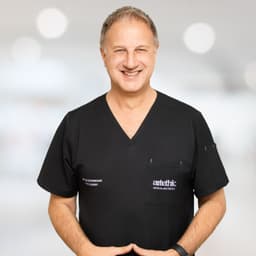
Facharzt für Plastische und Ästhetische Chirurgie & Handchirurg
Mit mehr als 30.000 Eingriffen und mehrjähriger Tätigkeit als Chefarzt führt Dr. Schuhmann seit 2016 als Gründer von artethic® seine Praxen in Düsseldorf und Berlin.