ORTHOpress, 01/2008
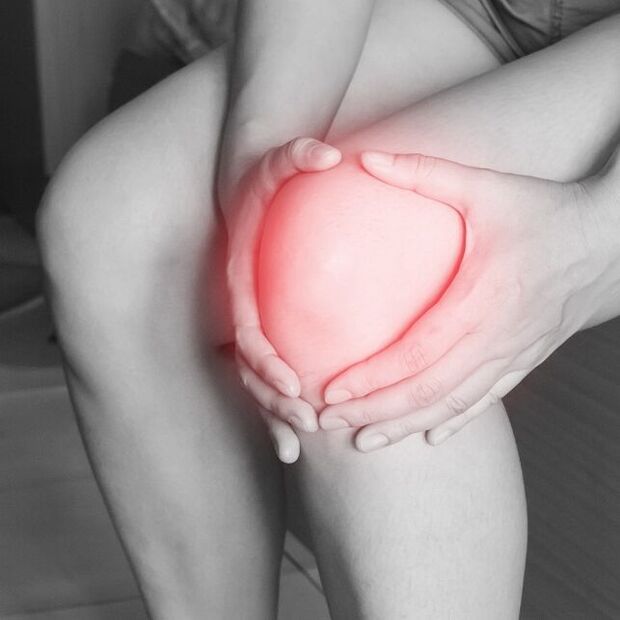
For patients suffering from this pain, Professor A. Lee Dellon developed an innovative method at his Institute for Peripheral Nerve Surgery in Baltimore (USA), which is also performed by Dr. Karl Schuhmann at the Evangelisches Krankenhaus in Hattingen (EvK).
It is clear that the changes in bones, cartilage or ligaments that cause the pain are not healed by this procedure: the changes to the joint can progress and swelling may continue to occur. However, the associated pain is greatly reduced, often even eliminated. "The results so far," says Schuhmann, "are extremely encouraging." The severing of the nerves, as Dr. Schuhmann explains, "does not lead to paralysis here, because the nerves conducting the pain do not control muscle function." Mobility is maintained or even improved, provided that the previous restriction of movement was primarily caused by the pain. Even the sensitivity of the skin is usually preserved – with the exception of occasional numbness around the short surgical scars. "Knee joint denervation" (= nerve deactivation), as the medical term is, is particularly suitable for those patients who are still struggling with knee pain after all orthopedic measures have been exhausted.
Until now, the last option for chronic joint problems was often a new knee joint. This involves an extensive operation that can be too risky for the elderly and frail. A denervation, however, can also be undertaken by these patients. The potential success of a planned operation can be assessed very well in advance in this case: after locating the painful nerve exit points by palpation, these spots are injected with a local anesthetic, temporarily eliminating the pain. The patient can then immediately determine while walking and climbing stairs whether the pain has been reduced or even disappeared. "Only after a clearly positive assessment by the patient," says Dr. Schuhmann, "do we recommend this operation, which has already relieved unbearable pain for many people."
This is an operation that Prof. Dellon invented back in 1992, but which, despite great success in the USA, is only offered by a handful of surgeons in Germany. "In this procedure," says Dr. Schuhmann, head of the Department of Plastic, Aesthetic and Hand Surgery at EvK Hattingen, "small, pain-conducting nerves around the knee joint are located – and a section of each is removed so that they can no longer grow back together." This eliminates the pain. The knee does not need to be opened, because the nerves can be found in the surrounding tissue.