Source: Lokalkompass Düsseldorf
Hair Loss After COVID-19 – What Helps?
At a Glance
- 🦠Post-COVID hair loss is common
- ⏱️Often occurs weeks after recovery
- 💉PRP autologous blood therapy helps
- 📊4–6 treatments recommended
- ✅No allergies (autologous material)
The precise causes of hair loss following a COVID-19 infection have not yet been fully established. Hair loss frequently begins only weeks after recovery, which is why those affected often recognise the connection to the infection rather late.
"Many of my patients report significant hair loss following COVID-19," explains Dr. Karl Schuhmann, specialist in Plastic and Aesthetic Surgery in Düsseldorf.
How COVID-19 Affects the Hair Cycle
Telogen Effluvium
A severe viral infection such as COVID-19 can trigger a so-called telogen effluvium: many hair follicles enter the resting phase simultaneously and shed after 2–3 months.
This is the body's reaction to the stress of illness. The good news: this type of hair loss is usually reversible when the underlying cause is treated.
PRP Autologous Blood Therapy as an Effective Option
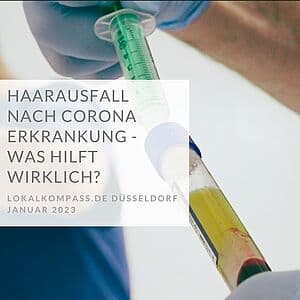
PRP autologous blood therapy (platelet rich plasma) uses the patient's own blood plasma to stimulate hair follicles. The procedure can slow hair loss, strengthen existing hair, and promote new growth, provided active follicles are still present.
How PRP Treatment Works
Blood Draw
A small amount of blood is taken (similar to a blood donation)
Centrifugation
Blood is centrifuged to obtain platelet-rich plasma
Injection
PRP is injected into the scalp to stimulate hair follicles
Treatment Series
4–6 sessions approximately 4 weeks apart for optimal results
Benefits
- ✓ Increased density of active hair follicles
- ✓ Activation of dormant follicles
- ✓ Stimulated new hair growth
- ✓ Stronger and healthier scalp
- ✓ No allergic reactions
- ✓ Autologous material
Treatment Plan
First session: Noticeable improvements possible
Series: 4–6 treatments recommended
Interval: Approx. 4 weeks between sessions
Maintenance: 1–2 times per year to sustain results
"PRP autologous blood therapy is an excellent means of combating hair loss. The treatment awakens dormant hair follicles and stimulates hair growth. A single PRP session can already bring noticeable improvements. For optimal results, I recommend four to six treatments at intervals of approximately four weeks."
— Dr. Karl Schuhmann
Other Causes of Hair Loss
In addition to viral infections, other possible causes include hormonal changes, thyroid disorders, nutritional deficiencies, autoimmune processes, medications, and severe stress. Individual diagnostics are therefore essential in order to identify the most appropriate therapies.
Hormonal Factors
Thyroid disorders, menopause, pregnancy, discontinuation of the contraceptive pill
Nutritional Deficiencies
Iron, zinc, biotin, vitamin D, protein – deficiencies impair hair growth
Autoimmune Conditions
Alopecia areata, lupus – the immune system attacks hair follicles
Medications & Stress
Chemotherapy, antihypertensives, chronic stress – all impair hair growth
Frequently Asked Questions
Does PRP help with post-infectious hair loss after COVID-19?
Yes, provided active hair follicles are still present, PRP can stimulate hair growth and significantly improve hair quality. The treatment is particularly effective for telogen effluvium, which frequently occurs following COVID-19. Typically 4–6 sessions are carried out in a series, and initial improvements may already be noticeable after the first treatment.
When should I start PRP treatment?
The sooner, the better. If you notice increased hair loss following a COVID-19 infection (typically 2–3 months after the infection), you should arrange an appointment promptly. PRP works best when active follicles are still present. The longer hair follicles remain inactive, the more difficult reactivation becomes.
Is PRP treatment painful?
The treatment is generally well tolerated. The injections into the scalp may feel mildly uncomfortable but are not significantly painful. Many patients describe it as a slight pricking or pressure sensation. A topical anaesthetic cream can be applied beforehand if desired. The entire treatment takes only approximately 30–45 minutes and can be performed on an outpatient basis.
When will I see the first results?
Many patients report an improvement after the very first session – the hair feels stronger and shedding decreases. Visible new hair growth typically appears after 2–3 months, as hair grows slowly (approximately 1 cm per month). Optimal results are achieved after completing the full treatment series (4–6 sessions).
Are there side effects or risks?
Since PRP uses the patient's own blood plasma, allergic reactions are virtually excluded. Possible temporary side effects include mild redness, swelling, or a pressure sensation at the injection sites, all of which resolve quickly. Infections are extremely rare when sterile technique is used. The treatment is considered very safe and is well supported by scientific evidence.
What alternatives to PRP therapy are available?
Depending on the findings, various therapies may be considered: topical treatments (minoxidil), microneedling to stimulate the scalp, mesotherapy with nutrient cocktails, dietary supplementation in cases of confirmed deficiency, low-level laser therapy, or combination treatments. During a personal consultation, we will create an individual treatment plan based on your diagnostics and goals.
When should I seek medical assessment?
If hair loss increases noticeably, persists for longer than 3–4 months, or is accompanied by further symptoms such as fatigue, weight changes, or skin problems, you should seek medical assessment. It is important to check hormone and thyroid levels, iron, ferritin, vitamin D, and other nutrients. Thorough diagnostics help to identify the cause and treat it in a targeted manner.
Das könnte Sie auch interessieren
Über den Autor
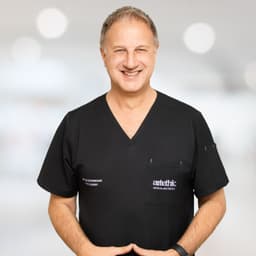
Facharzt für Plastische und Ästhetische Chirurgie & Handchirurg
Mit mehr als 30.000 Eingriffen und mehrjähriger Tätigkeit als Chefarzt führt Dr. Schuhmann seit 2016 als Gründer von artethic® seine Praxen in Düsseldorf und Berlin.